
By Eilene Lyon
1857–1863
Ann’s brother, Billy Jenkins, left San Francisco in the spring of 1857 to rejoin his daughter, Lizzie, and his parents in Jay County, Indiana. He purchased his parents’ farm and they all lived together there. Billy spent a year learning new skills at the Indiana School for the Blind. His hopes of regaining the sight he lost in the mining accident never came to fruition.
Emma and Bob Ransom canceled their plans to return to California. Bob had lost half his savings in the collapse of Adams Express Co. of California in 1855. Plus, his mother, Elizabeth Ransom, really needed his help. With William out in California, Bob was her eldest son at home. Her husband, James, was an incorrigible drunk and too much for her to handle alone.
Now knowing that family would not be coming to join them out West, William, Ann and the children said goodbye to their friends in the Sutter Creek and Jackson area, including the livery owner, Frank Hoffman. Given his skills with horses and other livestock, it’s probable that William had worked for Hoffman during their two-year stay in Amador County.
They moved directly west to Solano County, settling in Vacaville, the second oldest community in the county. The Vaca valley had been established as a 44k+ acre Mexican Land Grant, issued to Manuel Cabeza [de] Vaca in the late 1840s. Vaca sold a portion to William McDaniel to plat a townsite, on the condition it would be called Vacaville.
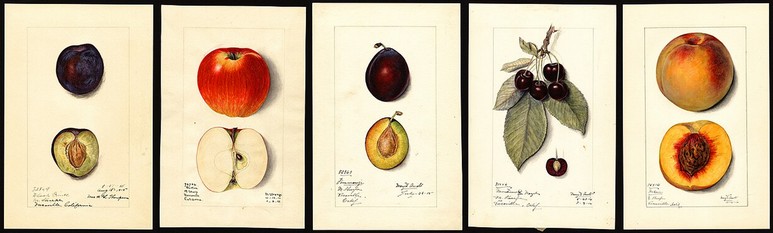
Cattle ranching had dominated the land grant, but as settlers moved in, the valley became home to a thriving fruit orchard industry. Perhaps William worked as a cowboy for the ranchers; maybe they all planted and harvested fruit in season.
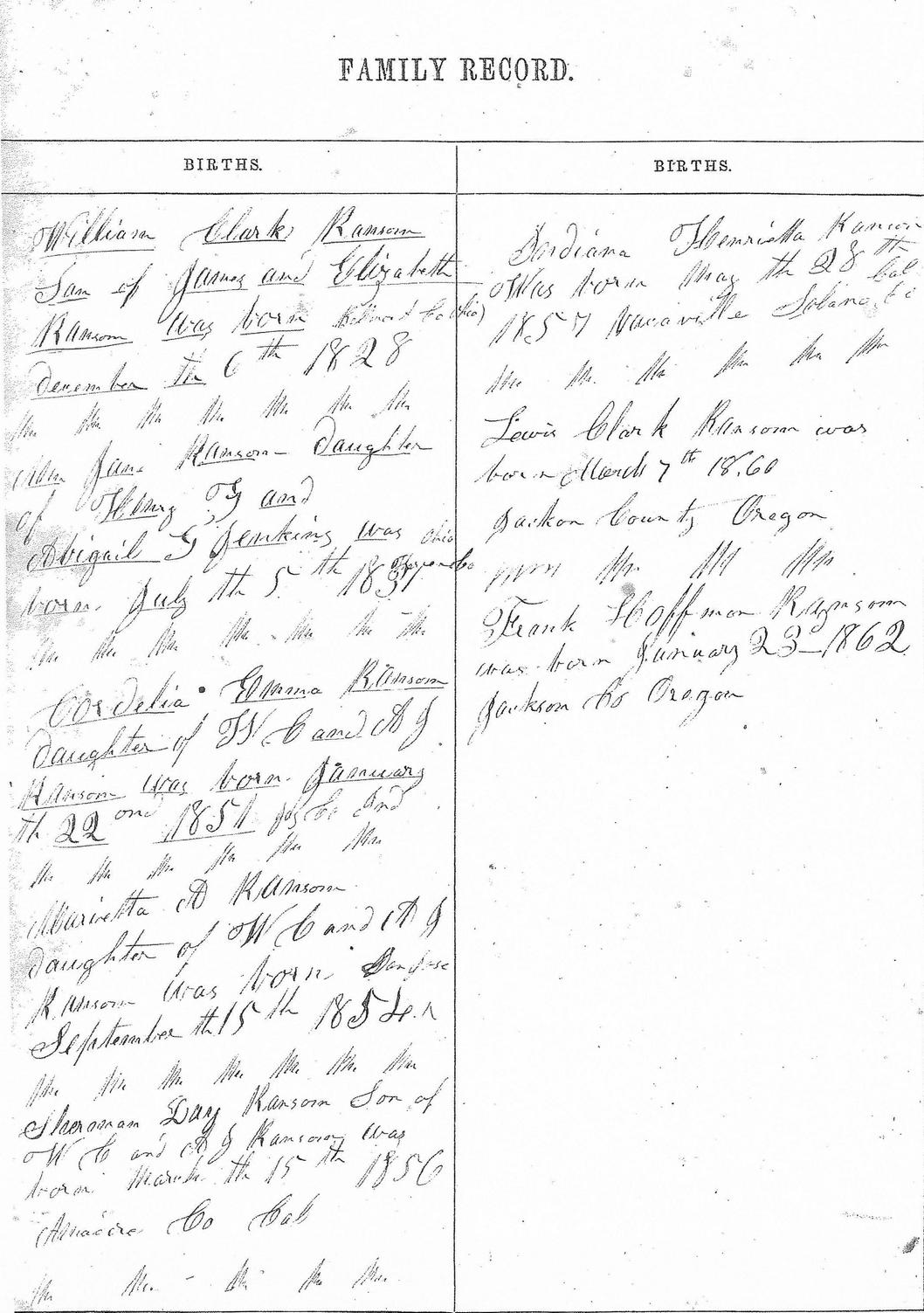
No records exist for their time in Vacaville, except that their daughter, Indiana Henrietta (nicknamed “Nannie”), was born there on May 28, 1857, just as Billy Jenkins arrived home in Indiana. Nannie’s middle name honored Ann’s father, Henry Z. Jenkins. This was probably because William had preferred not to name their son after either of the boy’s grandfathers.
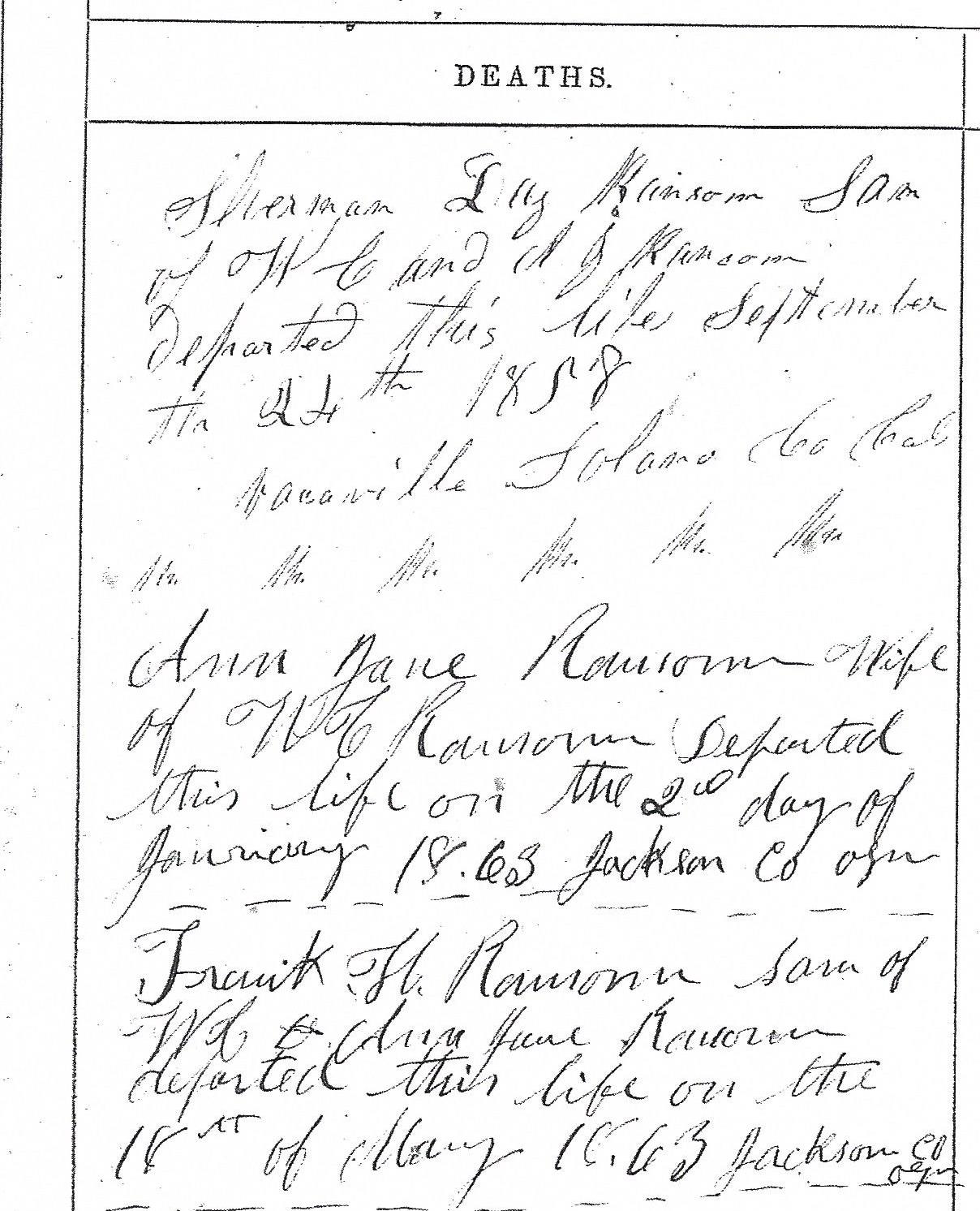
Vacaville would also be the scene of Ann’s heartbreak: little Sherman Day Ransom died on September 15, 1858 at the age of two and a half. The location of his grave is unknown. In mid-1859, Ann was pregnant again. By early 1860, the family had relocated, this time to Jackson County in southern Oregon. They had another son born in March, named Lewis Clark Ransom after the famous Voyage of Discovery explorers. No doubt Ann was wearying of the frequent moves.
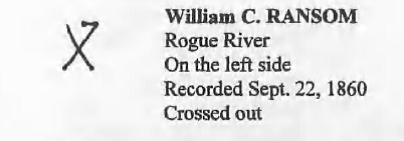
As in Solano and Amador Counties, William did not own any land, but he did own livestock, as evidenced by the recording of his brand in Jackson County, and farmed, per the 1860 census. Though they lived a couple miles east of Jacksonville, it was the center of their social life.
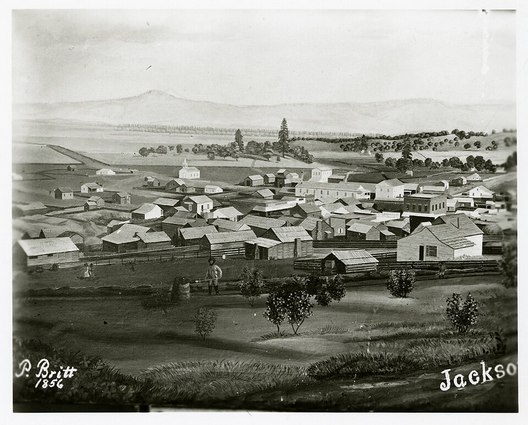
William, along with 14 other men, established Lodge No. 10 of the Independent Order of Odd Fellows on June 30, 1860, and he served as Noble Grand for the first year. This didn’t exactly please Ann, though.
She wrote her mother in May, “I suppose I ought to feel proud of it but I cant really say that I do. It takes him away from home to much, but he would not have taken it if I had not told him that I was perfectly willing but his time will be out on the first of july and I shall be glad of it. We have got our school house finished and school commenced last week and we had church last Sunday and there will be next and we expect before long to have it every Sunday as we have the promise of several preachers.”
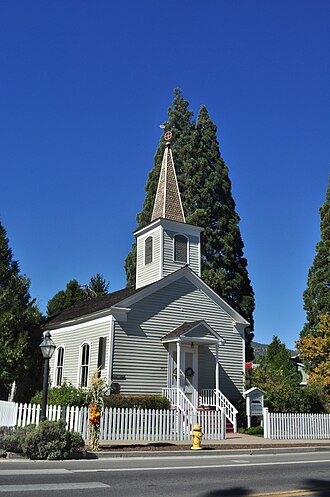
She added a bit more about their home and farm: “my health is quite poor but not more so than it generally is in the spring, every thing is beautiful and green now. Our grain bids fair to be a good crop and our trees look well. Four of my rose bushes will bloom this year. The buds are bursting now. How I do love flowers.”
Ann had one last child, another son, in January 1862. They named him Frank Hoffman Ransom, after their Amador County friend. Cordelia, age 11, corresponded with her cousin, Lizzie Jenkins, in October: “We are all well but Ma and the baby and he is getting better…I am studying, reading, writing, spelling, geography, grammar, and arithmetic…Lewis is a great big boy. Ma says he looks like uncle John Ransom except his hair is dark.”
Cordelia also corresponded with friends in Rogue River, where they appear to have lived while William grazed cattle there. She helped out the family by preparing breakfast and supper. Then she did school work in the evenings, as did Marietta. By year’s end, baby Frank may have been a bit better, but Ann’s health steadily worsened.
Tuberculosis carried Ann away from her family on January 2, 1863. Per the Oregon Semi-weekly Sentinel on January 3, “The funeral procession will start from the house at 12 o’clock to-morrow (Sunday) and will pass through town about 1 p.m. Funeral services will be had at the grave. The friends of the family are respectfully invited to attend.”
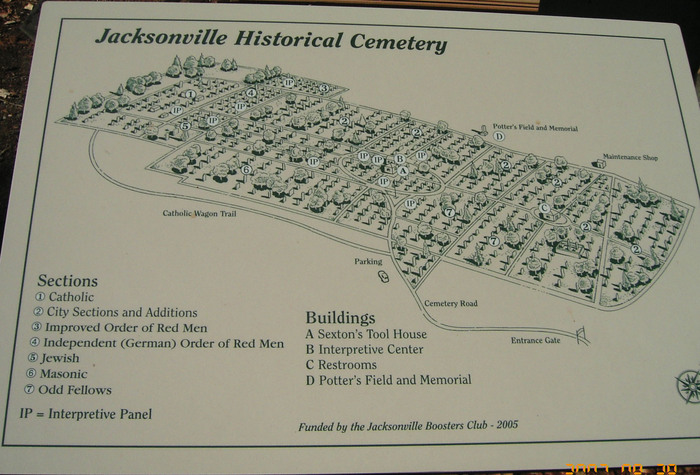
Year-old baby Frank followed her to the grave on May 18. Their burial sites in the Jacksonville Cemetery are unknown. William, having lost his wife and a second son, had grieving to do, but his three daughters and Lewis still needed him to step up and care for the family. Cordelia also shouldered responsibility for all her younger siblings. Life for the Ransom children changed dramatically without their mother to be their steady guiding light.
The End
Feature image: Roses for Ann Jane (Jenkins) Ransom (Paras Frendi on Unsplash)
Coming in 2026: Cordelia’s Story
Sources:
Many of the sources used to compile Ann’s story can be found in my book, Fortune’s Frenzy: A California Gold Rush Odyssey. Additional sources, such as the family Bible and Cordelia’s letter to Lizzie, came from the collection of my late cousin, Mary Gill, one of Cordelia’s descendants. County histories, census records, newspapers, and records from county historical societies also added detail to the lives of Ann and her family.
 Myricopia
What a hard life, and not an unexpected end for Ann as we know from the stories of so many who lived during that era. I look forward to learning more about Cordelia next year.
LikeLiked by 2 people
Ann said in one of her letters that she never counted on a long life. She knew plenty of people who died young. I think she did enjoy the life she had, though, tough as it sounds to us.
I’m considering writing about Cordelia as historical fiction. Something I may wish to turn into a book someday.
LikeLiked by 3 people
I like that idea for Cordelia a lot!
LikeLiked by 1 person
I’ve never been a fiction writer, but her life seems like a good subject to explore the possibility, as much for exploring her father’s life as hers and her siblings’.
LikeLiked by 2 people
This is definitely rich material for a fictionalized account. Writing fiction is different and challenging, but also so freeing. You can get inside the person’s head and imagine what their lives were like—what were their relationships like, their dialogues, their feelings. I hope you do it!
LikeLiked by 1 person
Thanks for the encouragement, Amy. You set a strong example with your books! I hope I can manage half as well. I’m thinking of trying an epistolary format. Letters from Cordelia to various family members and others.
LikeLiked by 1 person
Using letters was something I tried with one of my books, and I’ve read books that do that really well. I eventually switched back to a more traditional narrative because I found that letters limited what I could include. One thing I’ve learned is to try different approaches and figure out what works. First person v third, alternating narrators v one narrator, whether to write things in sequence or not. It’s a challenge, but a fun one. I’m no Hemingway but I am always happy to help if I can.
LikeLiked by 1 person
All good advice, Amy. I expect I will also experiment with different formats to find what works for this story. Thanks for being willing to offer constructive advice. I’m actually quite open to critique. I know I have much to learn!
LikeLiked by 1 person
What an interesting life…..people today have no idea. So, Billy must have had some sight if he was able to farm?
LikeLiked by 1 person
He could see light and shadows, but I think he left the farm work to others. He learned to make brooms, and he later became a shopkeeper. While he was in San Francisco, he was able to support himself as a fruit seller.
LikeLike
This would make a fascinating novel, wouldn’t it!
LikeLiked by 2 people
It really would! I simply doubt my abilities to write it.
LikeLiked by 2 people
The family must have had such a difficult time after Ann died.
LikeLiked by 1 person
To say the least…
LikeLiked by 1 person
Not only does everyone seem to have such a tough life, fraught with illness, but they seem resigned to this fact. And, in so many of your posts it seems having so many children was tough on these woman, who seemed to be in frail health to begin with. It’s difficult for us to put ourselves in their shoes given all the amenities we have these days, but I know I would not have made it to a ripe old age back in those times.
LikeLiked by 1 person
It is hard for us to imagine living in that time and in those circumstances, truly. Ann was aware she would not have a long life. She saw plenty dying young around her and knew it would be her fate as well. Something tells me she really wanted to have children and had higher hopes for them. Don’t parents generally think the next generation will have it a bit better?
LikeLiked by 1 person
Yes, that is sadly true as to Ann’s fate. I’m sure all parents through the years are hopeful for, but cannot imagine just how improved the lives of their offspring will be.
LikeLiked by 1 person
I do hope that future generations will see improvements. Some days it’s hard to be optimistic about it.
LikeLiked by 1 person
Yes, that’s true and I, too, have my doubts.
LikeLiked by 1 person
There will always be curious minds seeking answers (not from AI), but I worry there won’t be enough of them.
LikeLiked by 1 person
As a youngster I was taught not just my ABCs, but also ABC, an acronym for “always be curious”. One day people will no longer wonder “why” and if they can’t find it on Google, then why wonder or worry about it? If it’s not “Googleable” then it doesn’t exist?? I hear that no one reads the newspaper or long news articles because it is easier to get bite-sized info on social media. The idea of “key takeaways” as some news sites digest the story for you, is so you have all the answers … but you don’t really have all the answers if you don’t read it and rely on that person’s opinion on what was important, do you? That contributes to a lot of divisiveness too (in my opinion anyway).
LikeLiked by 1 person
Many of these scenarios have been presented by sci-fi writers for many decades. It’s time for them to come to fruition. Sad, really. When people stop wondering why, there won’t be any reason for people to exist.
LikeLiked by 1 person
Yes, I hope it doesn’t come to that Eilene … sometimes I want to tell people to look around you, take it all in and feel fortunate if you are blessed to have all of your senses to appreciate life. I just read a post by a fellow blogger who is blind and she went to her granddaughter’s soccer game wherein she gave a description of how she “watches” and interprets what is going on. Maybe sighted folks ought to be a bit more mindful too.
LikeLiked by 1 person
It would be a better world if we all looked for reasons to be grateful instead of reasons to be angry. But some anger will always be justifiable, because people do ugly things. It’s too bad, but it’s reality.
LikeLiked by 1 person
Yes, there are too many ugly things being done these days. Sadly, it seems the nicest we are to fellow human beings is the closer we get to the holidays when we are more apt to greet strangers with greetings of good cheer. The rest of the time, most people don’t even make eye contact, or are staring at their phones. I am amazed how people avoid eye contact in normal situations these days.
LikeLiked by 1 person
How tragic for the family. TB really was a scourge… Hope Cordelia’s life was better than her mother’s.
LikeLiked by 1 person
TB was truly a devastation on the young people. The number one killer of those from 15 to 35. Cordelia had her own challenges. But, yeah, probably better than her mother’s.
LikeLike
Ditto about the scourge of TB. I discovered that it killed many of my Parker ancestors, including Theodore Parker (who I just posted about). It seems like his family was particularly susceptible to it.
LikeLiked by 1 person
It did seem to develop frequently among the families I had living in eastern Indiana. Seemed like a particularly unhealthy place. I made a study of the mortality schedules from some early census records. Very eye-opening!
LikeLiked by 1 person
Ann could see her future it seems but I feel even sadder for the children. The times were unforgiving.
LikeLiked by 2 people
There’s a tough road ahead for those kids, for sure.
LikeLiked by 1 person