By Eilene Lyon
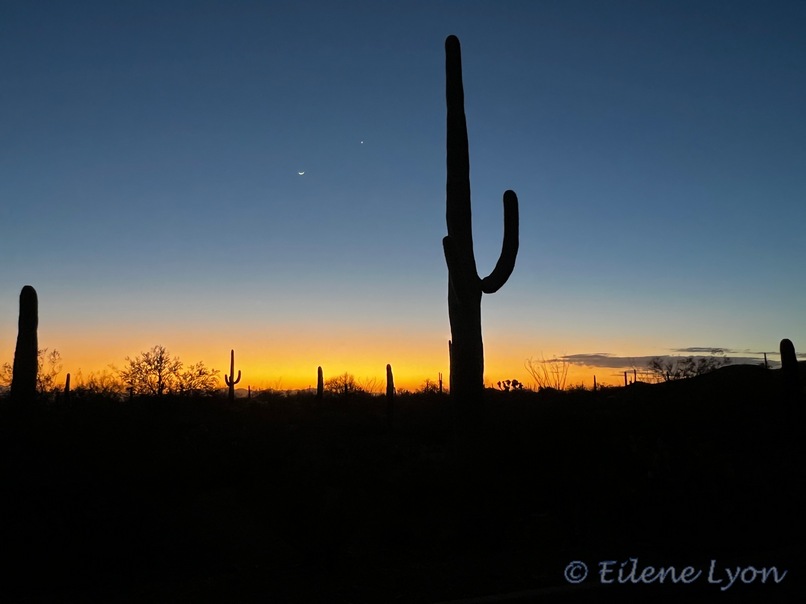
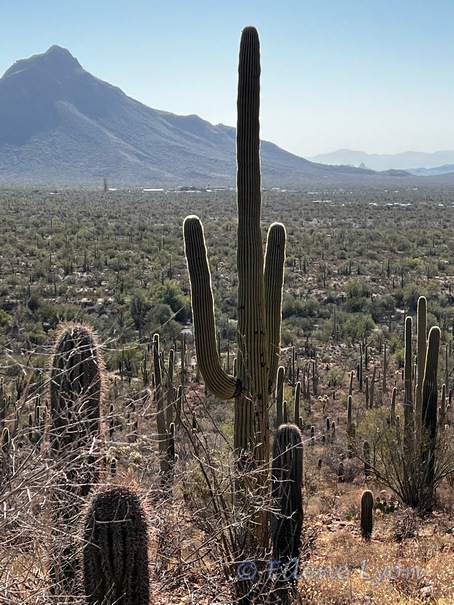
I’m spending this week on a solo camping trip at the Tucson Mountain Park, the largest county park in the U.S. at 60,000 acres. Here in southern Arizona, I’m on the eastern edge of the Sonoran Desert, which encompasses northwestern Sonora, Mexico, most of Baja, and a small section of southeastern California. The most notable endemic species of the Sonoran is the saguaro cactus. See a saguaro—you’re in the Sonoran.
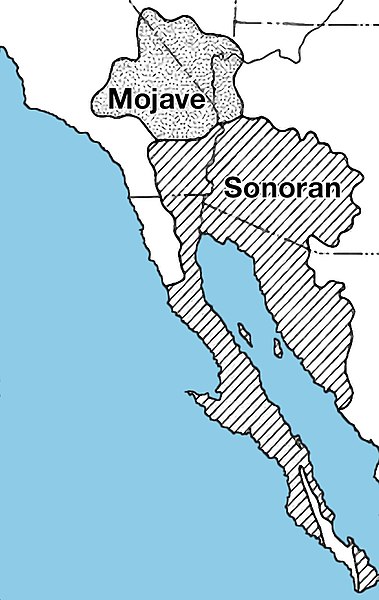
Of the four American deserts, the Sonoran has the largest biodiversity and is the most heavily vegetated. The reason is the moisture regime. The Mojave, Chihuahuan, and Great Basin deserts all have a single rainy season, either winter or summer. The Sonoran is blessed with two rainy seasons, winter and summer. Though total annual moisture is just 12 inches, because it is distributed throughout the year, better living conditions exist for flora and fauna.
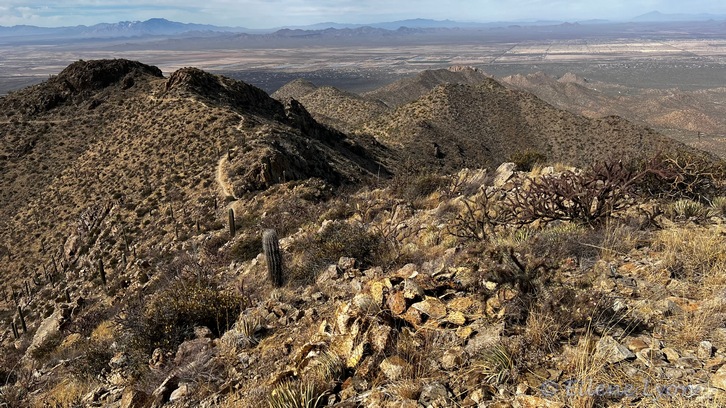
Like most of the Southwest, this area has been experiencing severe drought since the late 1990s. What I learned from volunteers at the Arizona-Sonora Desert Museum and Saguaro National Park, is that since September 2024 only a half-inch of rain has fallen.
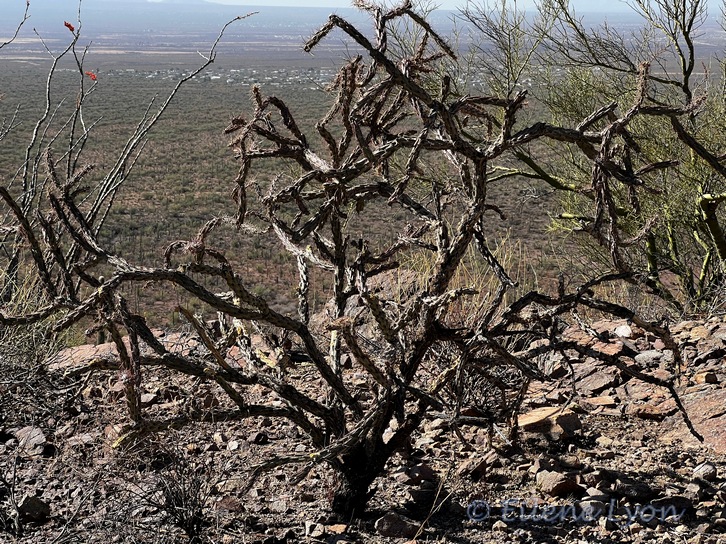
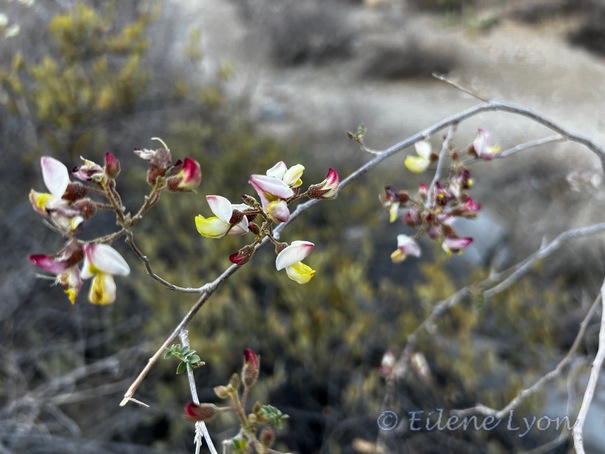
By the first week in March, the desert should be awash in a rainbow of blossoms: sunny yellow brittlebush daisies, magenta lips of Parry penstemon, blue-purple desert lupine, gold-orange poppies. Outside of watered gardens, these are rarely seen.
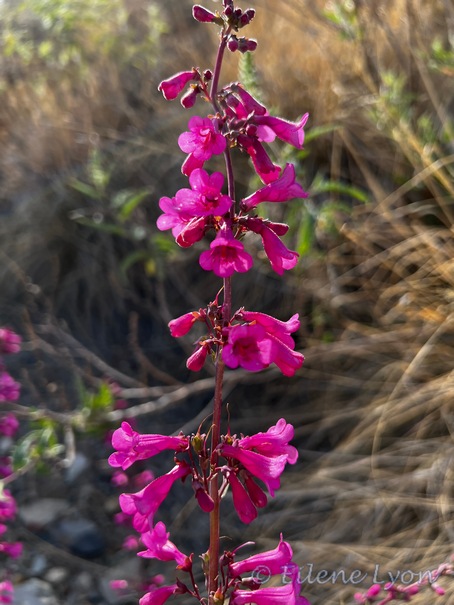
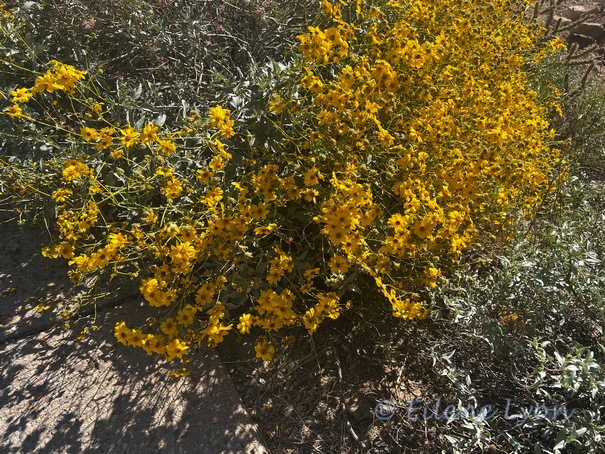
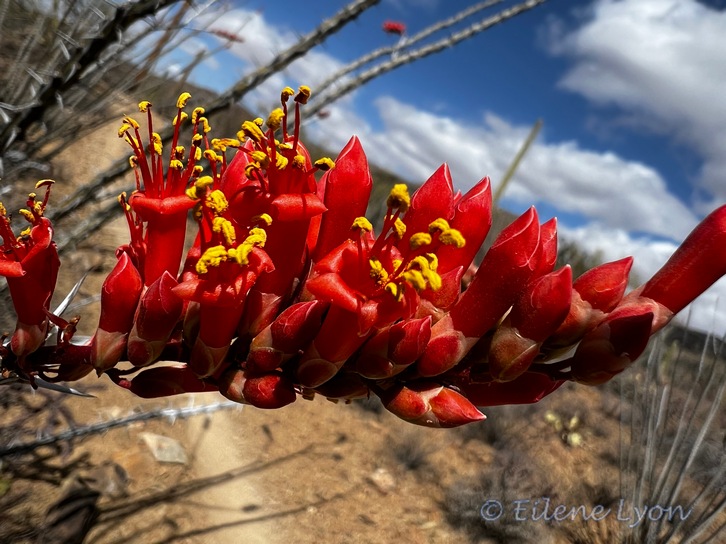
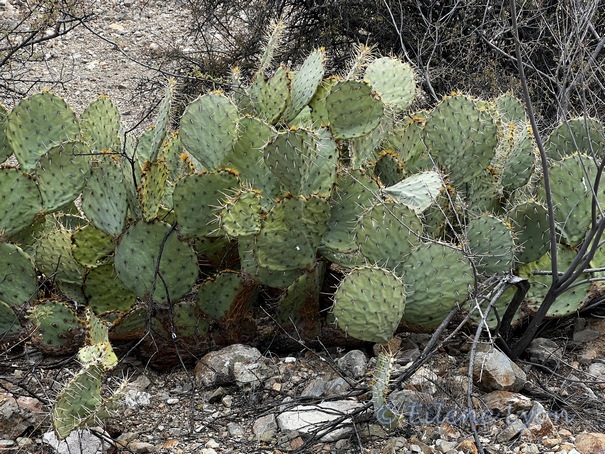
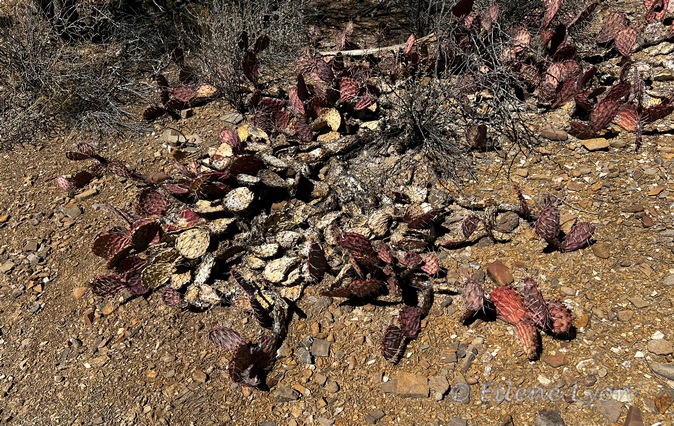
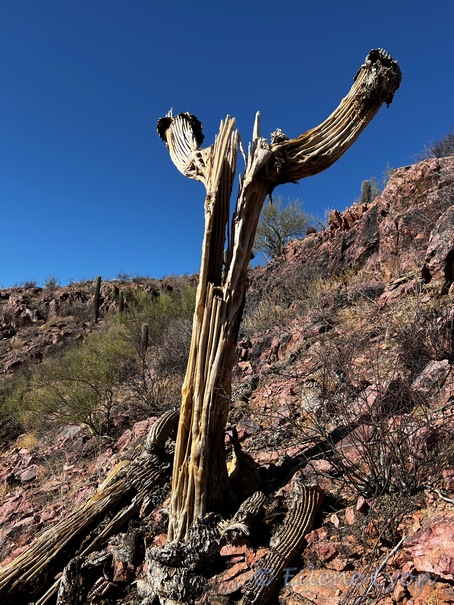
Only the ocotillo is braving the conditions to bust out the scarlet nectar tubes so vital to migrating hummingbirds, but they’re foregoing the green leaves that usually appear this time of year. Even those stalwarts of the deserts, the cacti, are suffering.
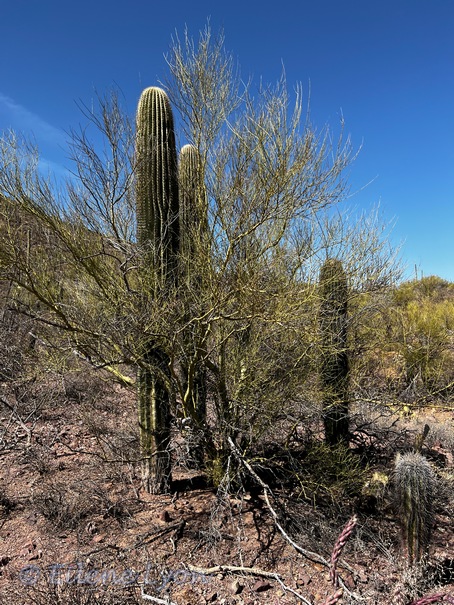
The saguaros are still doing okay, at least here in the Tucson area. These plants are truly a wonder of nature. They have a taproot for stability, but for water absorption, they rely on horizontal roots a few inches below ground surface, spreading as wide as the cactus is tall.
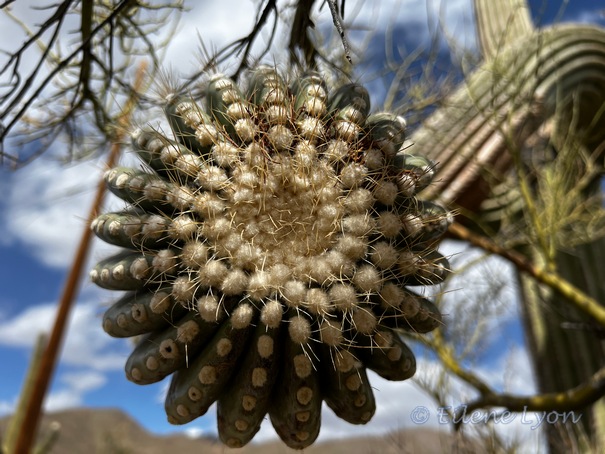
Their interior structure is designed for water storage and a woody skeleton supports the weight of this water. A 20-foot cactus (perhaps 200 years old) can store a ton of water. A senior 40-footer: 2 tons of water. But don’t try to drink it! The cactus infuses it’s vital store with alkaloids that will make you dehydrate much quicker (from the emetic effects).
On our plant walk in Saguaro N.P., someone asked why the saguaros in Phoenix are dying. The volunteer explained that it has to do with photosynthesis, which the cacti do at night when the temperatures drop. But due to the urban heat-island effect, the nights are no longer cool enough in summer and they are starving as a result.
When you realize how difficult drought is here for the plants that all living things rely on, you can’t help but wonder why people think this is a place for large (and growing) population centers.
P.S. If you’re interested in reading my book review posts, head over to EileneLyon.com!
 Myricopia
Droughts are insidious killers. You managed to find some beauty along your walk. Gorgeous pictures and, as per, interesting commentary. We learn a lot with you!
LikeLiked by 1 person
I’ve learned a good deal on this trip! It’s been fun.
LikeLiked by 2 people
Those are the best kinds of trips (to me)!
LikeLiked by 1 person
A lot to be said for listening and looking.
LikeLiked by 1 person
Absolutely!
LikeLiked by 1 person
Great post, Eilene–well-written, wonderful narrative. You did a good job of demonstrating the destructive effects of drought, too. I hope the Sonoran gets more rain very soon….
LikeLiked by 1 person
They might get some tomorrow, but it doesn’t sound like much. Thanks for reading and commenting, Jet.
LikeLiked by 1 person
A drought in the desert is almost ironic. It’s supposed to be dry. I like your photos and explanation about what is happening, but sad to know what is going on. Or not going on, more precisely.
LikeLiked by 1 person
Some of these plants, such as saguaros and creosote bush, can survive two years without rain. I can’t.
LikeLiked by 1 person
I loved this post, Eilene. The Sonoran is such a beautiful place. You remind me of how much I’ve loved being there in the past. Scary to realize that climate change is making it even too warm for the saguaro.
LikeLiked by 1 person
That has more to do with the cityscape than climate, but still worrisome with lack of rain here.
LikeLiked by 1 person
I learned a lot from this, not necessarily good things. I hope it does get some rain soon. It looks like somewhere I would enjoy visiting if I ever decided to go back to the USA.
LikeLiked by 1 person
A small chance of rain tomorrow (just as I’m leaving, of course).
LikeLiked by 1 person
It doesn’t really matter if one gives it a name, but the bottom line is the weather patterns we have been use to have been turned upside down. I was also intrigued by your solo camping trip. I use to camp, but will readily admit I never went alone. Glad you had such a good learning experience.
LikeLiked by 1 person
I’m traveling in a nice camper van—gave up on tents about 5 or 6 years ago. Today I’m visiting downtown Tucson for cultural learning.😊
LikeLiked by 1 person
It’s amazing how plants can survive for 2 years without rain. Humans obviously can’t. Water is such an undervalued resource and the most precious one for us all. Good on you, Eilene, for doing a solo trip and looking like a very interesting one to do.
LikeLiked by 1 person
I’ve enjoyed the opportunity to hike in the desert. I used to do a lot of that as a field biologist here in the Southwest and miss it sometimes. Water will continue to be an urgent environmental concern.
LikeLiked by 1 person
At least you can enjoy the exploration of the desert without the stress that comes with being employed.
LikeLiked by 1 person
Yeah, but having a purpose in being here is good, too. I do like being my own boss most, though.🙂
LikeLiked by 1 person
Thumbs up to being our own boss 🙂
LikeLiked by 1 person
👍
LikeLiked by 1 person
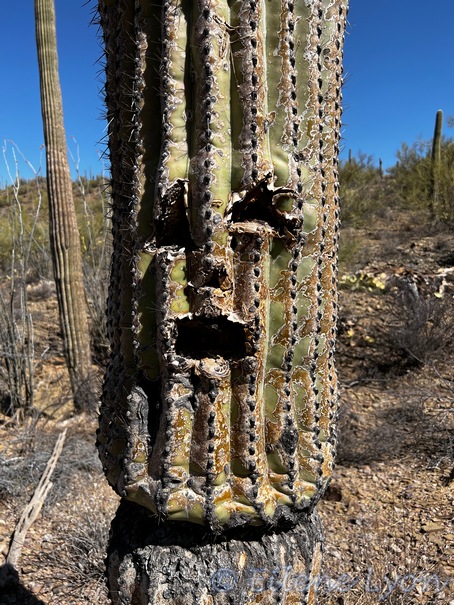
Plant life is tough and so are they, thankfully. But my God . . what in the blessed hell would possess someone to carve these things up like that? It’s awful.
LikeLiked by 2 people
There’s a lot of senseless destruction in the world, don’t ya know.
LikeLiked by 1 person
It’s all over the place, al the time. Which is why I love me some tunes and adult beverages come the weekend.
LikeLiked by 1 person
I like that cure myself.🙂
LikeLiked by 1 person
Salud!
LikeLiked by 1 person
It’s painful to look at those damaged plants.
LikeLiked by 1 person
As I walk around, I do see an environment under stress. I hope it has a chance to bounce back.
LikeLiked by 1 person
I hope so, too.
LikeLiked by 1 person
There was a nice rain storm as I left this morning!
LikeLiked by 1 person
Good news!
LikeLiked by 1 person
What a shame for these giants of the desert to become damaged or die due to lack of water. That was interesting to learn about these cacti. My mother loved cacti and had two gardens of mini cacti that lined the kitchen window. Her “Old Man” cactus died and I bought her another one at a nursery. She isolated it from the rest for several weeks before planting it, but unfortunately it had mites and killed off the rest of the cacti in both gardens. I felt very badly as she had them for years.
LikeLike
That is a sad story about your mother’s cacti, Linda. I transplanted a cactus I rescued last year, but it is not doing well at all. They don’t seem to like being moved much.
LikeLike
I felt very badly about it Eilene. She didn’t want to start any more gardens after that thinking she’d get another bug. No, perhaps they are more sensitive than we’d think.
LikeLiked by 1 person
I know that there are more things than drought to kill a cactus. There are critters that do eat them. I took a picture of one that had been majorly munched on.
LikeLiked by 1 person
Hopefully that munched-on cactus had no spines on it!
LikeLiked by 1 person
The munchers don’t really care much, they pick their teeth with them.😂
LikeLiked by 1 person
I am dying here Eilene!
LikeLiked by 1 person
Happy to amuse you.😊 I’ve watched a desert tortoise eating a prickly pear and I marvel at how tough their tongues and mouths must be to ignore the spines and glochids.
LikeLiked by 1 person
That is amazing! You would think they would try it once and say “no thanks” no matter how hungry they are.
LikeLiked by 1 person
Like candy to a tortoise!🐢
LikeLiked by 1 person
Amazing!
LikeLiked by 1 person
This is fascinating to me as I live nowhere near a desert. And the photos are beautiful!
LikeLiked by 1 person
I never had a connection to deserts until I moved to Durango. At first they seemed too brown, but you can be the weather and unique life forms.
LikeLiked by 1 person
That is so sad…I remember visiting my sister in Tucson in February 2000 – we went hiking in that same park. It was beautiful. At that point I know my sister experienced rain while living there. In fact, I think it rained a bit during our visit.
We also went to the Desert Museum and were very impressed. Sad to think that now some of the native plant species may only be seen there in the future because of supplemental watering.
Climate change and its effects are very real and those who deny it are sticking their heads in the sand. Even in the 19 years I’ve lived in the PNW, I’ve noticed a definite change in the weather patterns – just this year we had one of the driest Januaries on record. Yep, January in the rain forest was anything but rainy. It was very scary. And our summers are even worse – long periods of drought leading to stressed trees and native plants.
Yes, the climate has always been changing but we can no longer ignore the fact our activities are speeding it and doing what my be irreparable harm.
LikeLiked by 1 person
In spite of the hold the fossil fuel industry (and meat) has on the U.S. government, people around the world are making efforts to reduce population, use less resources, convert to renewable energy and more. We have a long way to go, but necessity will force us to do better.
LikeLike
agreed – I drive an electric car (and fully understand it’s not perfect either)…sadly, given what’s happening right now, I’m rather pessimistic.
LikeLiked by 1 person
It is cause for pessimism, for sure, but the earth is resilient. Humans, much less so.
LikeLike
Is it okay for me to say that I want to be you, lol? This post takes me back to the Winter we visited Arizona – the saguaro were our favourites and we attended an information session on the these beauties. Fascinating.
LikeLiked by 1 person
The deserts are quite popular in winter, so I can imagine lots of people wishing to be in my shoes!
LikeLiked by 1 person
🥰
LikeLiked by 1 person
I have found that people don’t even know what’s good for them and certainly don’t know or care what’s good for nature. I have never been to this kind of desert before so this is a fascinating tour. It also makes me incredibly angry and sad to see the vandalism and loss of life.
LikeLiked by 1 person
That’s a good point, Brandi. And we often do not value what we do not understand.
LikeLiked by 1 person
Sigh. I just wonder sometimes what people are thinking.
LikeLiked by 1 person
I’m not sure thinking enters into the picture.😆
LikeLiked by 1 person
Ha! Probably not.
LikeLiked by 1 person
So very interesting and a wake up call that not all is right in our natural world. I had no idea they did photosynthesis at night and the importance of temperature.
LikeLiked by 2 people
The keep their stomata (pores) closed in the day to conserve water. At night they complete the photosynthetic process and “exhale” the oxygen.
LikeLiked by 1 person
Totally makes sense!
LikeLiked by 1 person
😊
LikeLike
Beautiful photos of our desert! …and yes we always need more rain!
LikeLiked by 1 person
Thank you, Lisa! I love the deserts and love some rain, too.
LikeLiked by 1 person